

Anxiety disorders represent one of the most prevalent mental health challenges affecting millions of individuals worldwide, with conventional pharmaceutical treatments often accompanied by unwanted side effects and variable efficacy. As the field of therapeutic neuroscience continues to evolve, neurofeedback has emerged as a promising non-pharmaceutical treatment that harnesses the brain’s inherent capacity for neuroplasticity. This brain-based therapy utilizes electroencephalography (EEG) to monitor brain wave patterns in real-time, enabling individuals to develop self-regulation skills through operant conditioning. The integration of neurofeedback into anxiety disorder management protocols offers a complementary or alternative approach to traditional cognitive behavioral therapy and pharmaceutical interventions, with growing evidence supporting its efficacy across various anxiety presentations including generalized anxiety disorder, panic disorder, social anxiety, and post-traumatic stress disorder.
TL;DR Summary
Neurofeedback is an evidence-based brain training technique that uses EEG technology to help individuals regulate brain wave patterns associated with anxiety. Through repeated sessions of neurological feedback, patients’ brain learns to optimize brain activity, reducing anxiety symptoms by enhancing self-regulation of the central nervous system. Research demonstrates significant improvements in anxiety reduction, with benefits extending to multiple anxiety disorder types including generalized anxiety disorder, panic disorder, and PTSD, while offering a non-pharmaceutical alternative with minimal side effects.
Neurofeedback Technology and Brain Wave Patterns in Anxiety Disorders

Neurofeedback EEG showing brain wave patterns for anxiety disorder treatment.
The foundation of neurofeedback therapy rests upon the precise measurement and interpretation of electrical brain activity through electroencephalogram. This neurological assessment technique captures the brain’s electrical signals by placing sensors on the scalp, detecting the minute voltage fluctuations that occur as neurons communicate. These electrical patterns, known as brain waves, are categorized into distinct frequency bands, each associated with specific mental states and cognitive functions. The relationship between brain wave dysregulation and anxiety disorders has been extensively documented in neuroscientific literature, providing the theoretical basis for neurotherapy interventions.
What Are the Different Brain Wave Frequencies and Their Role in Anxiety?
Brain wave activity is classified into five primary frequency bands, each serving distinct neurological functions and contributing differently to anxiety states. Delta waves, operating at 0.5-4 Hz, dominate during deep sleep and are generally not implicated in waking anxiety states. Theta waves, ranging from 4-8 Hz, are associated with light sleep, deep relaxation, and meditative states. Individuals with anxiety disorders often exhibit theta wave dysregulation, particularly in the frontal regions of the brain, which can manifest as rumination and excessive worry.
Alpha waves, spanning 8-12 Hz, represent a state of wakeful relaxation and are considered crucial for anxiety management. Research has consistently demonstrated that individuals with anxiety disorders frequently show reduced alpha wave activity, particularly in the posterior regions of the brain. This alpha wave deficiency correlates with difficulty achieving relaxation and heightened physiological arousal. Beta waves, operating at 12-30 Hz, are associated with active thinking, concentration, and arousal. While necessary for normal cognitive function, excessive beta activity, particularly high-beta frequencies, is strongly correlated with anxiety symptoms, racing thoughts, and hypervigilance.
Gamma waves, the fastest frequency band at 30-100 Hz, are involved in higher-order cognitive processing and sensory integration. Emerging research suggests that gamma wave dysregulation may contribute to anxiety presentations, particularly in the processing of threat-related information. The complex interplay between these frequency bands determines overall mental states, with anxiety disorders characterized by distinctive patterns of brain wave dysregulation that neurofeedback seeks to normalize.
How Does EEG Technology Measure Brain Activity for Neurofeedback?
Modern EEG biofeedback systems utilize sophisticated technology to capture, process, and present brain wave information in real-time. A typical neurofeedback setup involves placing electrodes at specific locations on the scalp according to standardized positioning systems such as the International 10-20 system. These sensors detect electrical potentials in the microvolt range, which are then amplified and digitally processed to isolate specific frequency bands relevant to the treatment protocol.
Quantitative EEG (qEEG), also known as brain mapping, represents an advanced diagnostic tool that creates comprehensive assessments of brain wave activity across multiple locations. This neurological assessment generates detailed maps of brain function, identifying areas of dysregulation that may contribute to anxiety symptoms. The qEEG data allows practitioners to develop individualized treatment protocols tailored to each patient’s unique brain wave patterns, enhancing treatment specificity and efficacy.
Neuroplasticity and Brain Self-Regulation Through Operant Conditioning

The therapeutic efficacy of neurofeedback derives from fundamental principles of neuroplasticity—the brain’s remarkable capacity to reorganize neural pathways and modify function in response to experience and training. This brain plasticity training operates through operant conditioning, a learning process in which behaviors are modified through reinforcement. In the neurofeedback context, clients receive immediate feedback when their brain wave patterns shift toward more optimal configurations, creating a learning loop that gradually strengthens desired neural patterns.
What Is the Science Behind Neural Feedback Therapy?
Operant conditioning in neurofeedback functions by providing real-time information about brain activity that is typically outside conscious awareness. When patients produce brain wave patterns associated with reduced anxiety—such as increased alpha wave activity or decreased high-beta activity—they receive positive reinforcement through visual or auditory feedback. When brain wave patterns shift toward anxiety-associated states, the brain receives a signal feedback, creating motivation to maintain optimal brain activity.
The repeated practice of achieving these desired brain states through numerous training sessions facilitates lasting changes in neural circuitry. Neuroimaging studies have demonstrated that sustained neurofeedback training produces measurable changes in brain structure and function, including modifications in the connectivity between the prefrontal cortex and the amygdala—brain regions critically involved in emotional regulation and threat processing. These structural changes underpin the sustained improvements in anxiety symptoms reported by clients following neurofeedback treatment.
How Do the Central Nervous System and Autonomic Nervous System Interact in Anxiety?
Understanding the relationship between the central nervous system and autonomic nervous system is essential for comprehending neurofeedback’s therapeutic mechanisms. Anxiety disorders involve dysregulation of the autonomic nervous system, which controls involuntary physiological functions including heart rate, respiration, and stress hormone release. The sympathetic branch of this system mediates the fight-or-flight response, while the parasympathetic branch promotes relaxation and recovery.
Neurofeedback influences this system through top-down regulation originating in the central nervous system. By training individuals to modulate cortical activity patterns, neurofeedback enhances prefrontal cortex regulation of subcortical structures including the amygdala, the brain’s primary threat-detection center. This enhanced regulatory capacity translates to improved autonomic nervous system balance, reducing the excessive sympathetic activation characteristic of anxiety disorders. Research has documented that successful neurofeedback training correlates with normalized cortisol levels, reduced physiological arousal markers, and improved stress response regulation.
Brain Training Protocols and EEG Therapy Approaches for Anxiety Management
Neurofeedback for anxiety encompasses multiple training protocols, each targeting specific brain wave patterns and neural networks implicated in anxiety disorders. The selection of appropriate protocols depends on the individual’s evaluation findings, specific anxiety presentation, and training goals. Contemporary neurotherapy practice typically employs evidence-based protocols with demonstrated efficacy for anxiety reduction, often combining multiple approaches within a comprehensive training plan.
What Is Alpha-Theta Training for Anxiety Relief?
Alpha-theta training represents one of the most established neurofeedback protocols for anxiety management, particularly effective for generalized anxiety disorder and stress-related conditions. This deep-state training encourages patients to achieve profound relaxation by enhancing the ratio of theta to alpha waves, inducing states similar to deep meditation or the hypnagogic period between waking and sleeping. During alpha-theta sessions, clients typically close their eyes and receive auditory feedback that guides them toward increased theta wave production while maintaining awareness.
The therapeutic mechanisms of alpha-theta training extend beyond simple relaxation, facilitating access to unconscious material and promoting psychological integration. This protocol is particularly valuable for individuals with anxiety rooted in unresolved trauma or emotional conflicts, including those with post-traumatic stress disorder. Clinical studies have demonstrated substantial reductions in anxiety symptoms following alpha-theta training, with benefits often emerging after 30-50 sessions. The deeply relaxing nature of these sessions also helps people develop an experiential understanding of calm states, providing a neurological template for relaxation they can subsequently access more readily in daily life.
How Does SMR Training Enhance Emotional Regulation?
Sensorimotor rhythm (SMR) training focuses on enhancing brain wave activity in the 12-15 Hz frequency range over the sensorimotor cortex, located along the central strip of the brain. Originally developed for epilepsy management, SMR training has demonstrated significant efficacy for anxiety disorders through its effects on arousal regulation and cognitive control. The sensorimotor rhythm is associated with a calm yet alert state—physically relaxed but mentally focused—representing an optimal state for anxiety management.
SMR training enhances thalamocortical regulation, the communication between the thalamus and cortex that influences overall brain state and arousal level. Individuals with anxiety disorders frequently exhibit deficient SMR activity, correlating with difficulties maintaining calm alertness and excessive physiological tension. Through repeated SMR training sessions, patients develop enhanced capacity for self-regulation, experiencing reduced muscle tension, decreased racing thoughts, and improved sleep quality. Research indicates that SMR training is particularly beneficial for panic disorder and social anxiety, where hyperarousal and performance anxiety are prominent features.
What Role Does Beta Wave Training Play in Anxiety Treatment?
While beta waves are essential for normal cognitive function, excessive high-beta activity (particularly in the 20-30 Hz range) is strongly associated with anxiety symptoms including racing thoughts, hypervigilance, and rumination. Beta wave training protocols for anxiety typically focus on inhibiting excessive high-beta activity while maintaining or enhancing low-beta frequencies necessary for focused attention and cognitive performance. This selective frequency training helps normalize arousal levels without compromising cognitive function.
Neurofeedback practitioners often implement beta inhibition protocols targeting specific cortical regions where excessive beta activity is identified through assessment. For many anxiety patients, this involves reducing high-beta activity in frontal regions associated with worry and cognitive hyperactivity. The training helps break patterns of chronic mental overactivity, allowing patients to experience quieter mental states and reduced cognitive symptoms of anxiety. Clinical outcomes research indicates that beta wave training produces significant reductions in anxiety symptoms, particularly cognitive manifestations such as excessive worry and difficulty controlling anxious thoughts.
Neurofeedback Integration with Cognitive Behavioral Therapy and Mindfulness

Contemporary anxiety treatment increasingly recognizes the value of integrative approaches that combine multiple evidence-based modalities. Neurofeedback’s compatibility with established psychological treatments such as cognitive behavioral therapy and mindfulness-based interventions creates opportunities for synergistic therapeutic effects. This multimodal approach addresses anxiety disorders through complementary mechanisms, enhancing overall treatment outcomes while potentially reducing the duration of therapy required for symptom remission.
How Do Neurofeedback and Cognitive Behavioral Therapy Complement Each Other?
Cognitive behavioral therapy (CBT), widely regarded as the gold standard psychological treatment for anxiety disorders, focuses on identifying and modifying maladaptive thought patterns and behaviors that perpetuate anxiety. Neurofeedback complements CBT by addressing the neurophysiological substrates of anxiety, enhancing patients’ capacity to implement cognitive and behavioral strategies effectively. Many patients understand CBT principles intellectually but struggle with implementation due to overwhelming physiological arousal and ingrained neural patterns—precisely the areas where neurofeedback provides support.
The combination of these modalities creates a comprehensive treatment approach addressing multiple levels of anxiety disorder manifestation. While CBT provides cognitive tools and behavioral strategies, neurofeedback enhances the neurological foundation necessary for employing these tools successfully. Research examining combined treatment protocols has demonstrated superior outcomes compared to either intervention alone, with patients reporting greater anxiety reduction and improved long-term maintenance of treatment gains. The neurological changes induced by neurofeedback appear to facilitate cognitive restructuring, while CBT skills enhance patients’ ability to generalize neurofeedback training effects to real-world situations.
What Is the Relationship Between Neurofeedback, Meditation, and Mindfulness Training?
Meditation and mindfulness training share substantial mechanistic overlap with neurofeedback, all promoting enhanced self-regulation and present-moment awareness. Neuroimaging research has revealed that experienced meditators exhibit brain wave patterns similar to those targeted in neurofeedback protocols, including increased alpha wave activity and enhanced prefrontal cortex engagement. This convergence suggests that neurofeedback may accelerate the development of self-regulation capacities that traditional meditation practices cultivate over years of dedicated practice.
At InnerOptimal we incorporate mindfulness principles, guiding clients to observe their mental states non-judgmentally while receiving feedback about corresponding brain activity. This integration helps our clients develop awareness of the relationship between their subjective experience and neurological states, fostering insight into anxiety patterns and enhanced capacity for emotional regulation. The combination proves particularly effective for individuals who struggle with traditional meditation practices due to excessive mental agitation, as the neurofeedback component provides structure and immediate feedback that facilitates the development of meditative capacities.
Clinical Applications Across Anxiety Disorder Spectrum and PTSD

The versatility of neurofeedback allows for application across the full spectrum of anxiety disorders, with protocols adapted to address the specific neurological signatures associated with different anxiety presentations. While common neurological patterns unite various anxiety disorders—such as autonomic nervous system dysregulation and amygdala hyperactivity—each condition also exhibits distinctive features that inform protocol selection and training planning.
How Effective Is Neurofeedback for Generalized Anxiety Disorder?
Generalized anxiety disorder (GAD), characterized by persistent, excessive worry about various life domains, represents one of the most common anxiety presentations for which individuals seek neurofeedback treatment. The neurological profile of GAD typically includes elevated high-beta activity in frontal regions, reduced alpha wave production, and dysregulated connectivity between cortical and subcortical structures. Neurofeedback protocols for GAD focus on normalizing these patterns through alpha wave enhancement, high-beta inhibition, and connectivity training targeting frontolimbic networks.
Clinical research examining neurofeedback efficacy for GAD has produced encouraging results, with multiple controlled studies demonstrating significant anxiety reduction following treatment. Meta-analyses indicate that neurofeedback produces medium to large effect sizes for anxiety symptoms, with improvements maintained at follow-up assessments extending months beyond treatment completion. Patients frequently report not only reduced worry but also enhanced capacity to redirect attention from anxious preoccupations, improved sleep quality, and decreased physiological tension—outcomes reflecting the broad regulatory effects of successful brain training.
What Are the Benefits of Neurofeedback for Panic Disorder Treatment?
Panic disorder, characterized by recurrent unexpected panic attacks and persistent concern about future attacks, involves distinctive neurological patterns including heightened amygdala reactivity, altered interoceptive processing, and respiratory dysregulation. Neurofeedback approaches for panic disorder emphasize autonomic nervous system regulation, amygdala desensitization, and enhancement of prefrontal inhibitory control. SMR training proves particularly beneficial for panic disorder due to its effects on arousal regulation and physiological calming.
Research investigating neurofeedback for panic disorder has documented substantial reductions in panic attack frequency, anticipatory anxiety, and avoidance behaviors. The treatment appears particularly effective when combined with interoceptive exposure exercises from cognitive behavioral therapy, with neurofeedback enhancing patients’ capacity to tolerate physiological sensations without catastrophic interpretation. Clients report increased confidence in their ability to manage physiological arousal, reducing the fear of fear that maintains panic disorder. The non-pharmaceutical nature of neurofeedback represents a significant advantage for panic disorder patients who may be particularly sensitive to medication side effects or concerned about developing substance dependence.
How Does Neurotherapy Address Social Anxiety and Performance Anxiety?
Social anxiety disorder involves intense fear of social evaluation and scrutiny, often accompanied by physiological symptoms including blushing, trembling, and sweating during social situations. The neurological substrate of social anxiety includes hyperactive amygdala responses to social threat cues, reduced prefrontal cortex regulation, and altered activity in brain networks involved in self-referential processing. Neurofeedback protocols for social anxiety typically target prefrontal cortex enhancement, amygdala regulation, and reduction of excessive beta activity associated with performance anxiety.
Treatment outcomes research demonstrates that neurofeedback produces meaningful improvements in social anxiety symptoms, including reduced anticipatory anxiety, enhanced social confidence, and decreased physiological reactivity during social situations. The training appears particularly beneficial for performance anxiety presentations, where individuals experience anxiety specifically in evaluative situations such as public speaking or test-taking. By enhancing self-regulation capacities and reducing hyperarousal, neurofeedback helps individuals approach previously avoided social situations with greater confidence, facilitating the exposure necessary for long-term anxiety reduction.
What Is the Evidence for Neurofeedback in PTSD and Trauma Recovery?
Post-traumatic stress disorder represents a complex condition involving dysregulation across multiple neurological systems, including heightened amygdala reactivity, diminished prefrontal cortex regulation, altered brain wave patterns, and autonomic nervous system dysregulation. The neurological sequelae of trauma create the symptoms characteristic of PTSD: intrusive memories, hypervigilance, emotional numbing, and exaggerated startle responses. Neurofeedback’s capacity to address these neurological disturbances makes it particularly valuable for trauma recovery.
Alpha-theta training has emerged as the most extensively researched neurofeedback protocol for PTSD, with multiple studies demonstrating significant symptom reduction including decreased intrusive symptoms, reduced hyperarousal, and improved emotional regulation. This protocol’s effectiveness appears related to its facilitation of trauma processing and integration while simultaneously promoting deep relaxation and autonomic nervous system regulation. Additional protocols targeting amygdala regulation and prefrontal cortex enhancement complement alpha-theta training, creating comprehensive treatment approaches for complex trauma presentations.
Military veterans, first responders, and survivors of various trauma types have benefited from neurofeedback interventions, with research documenting not only symptom reduction but also improvements in functional outcomes including occupational performance, relationship quality, and overall life satisfaction. The non-retraumatizing nature of neurofeedback represents a significant advantage, as patients can achieve neurological regulation without necessarily verbalizing traumatic experiences, an aspect particularly valuable for individuals who find traditional talk therapy overwhelming or retraumatizing.
Treatment Process and Session Structure for Neurofeedback Therapy
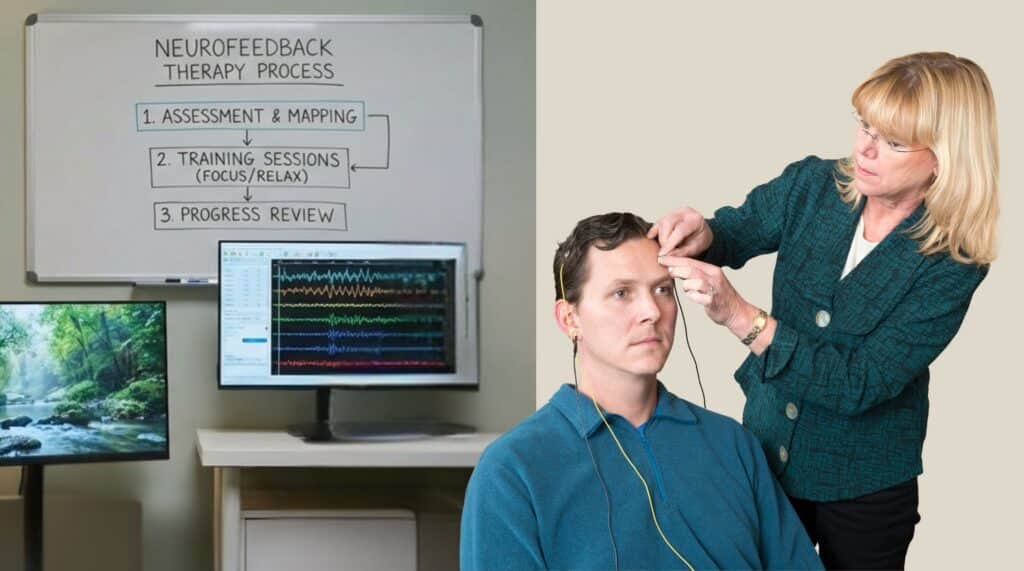 Neurofeedback therapy session showing EEG brain training for anxiety disorder.
Understanding the practical aspects of neurofeedback treatment helps individuals considering this therapeutic approach develop realistic expectations and optimize their engagement with the process. Neurofeedback requires a commitment to multiple sessions over several weeks or months, with treatment outcomes generally proportional to training consistency. The structured nature of the treatment process facilitates systematic progress toward anxiety reduction goals.
What Happens During a Typical Neurofeedback Session?
A neurofeedback session typically begins with electrode placement according to the treatment protocol, a process requiring several minutes to ensure adequate signal quality. Practitioners apply conductive paste or gel to optimize electrical contact between electrodes and scalp, then verify that the EEG system is receiving clear signals with minimal artifact. Once setup is complete, the training portion commences, typically lasting 33-45 minutes depending on the protocol and patient tolerance.
During training, patients engage with feedback displays that might include video content, games, music, or abstract visual patterns. These displays respond in real-time to brain wave activity, providing immediate information about current brain states. clients are helped to maintain a relaxed, passive awareness while allowing the feedback to guide their brain toward optimal patterns. This seemingly passive process activates powerful learning mechanisms, with the brain gradually recognizing and reinforcing patterns associated with positive feedback.
Most sessions conclude with a discussion between practitioner and patient regarding subjective experiences during training and any anxiety symptom changes observed since the previous session. Practitioners may adjust protocols based on client reports and ongoing assessment data, ensuring that training remains optimally targeted throughout the intervention period. The iterative nature of this process allows for continuous refinement of the training approach.
How Many Neurofeedback Sessions Are Required for Anxiety Reduction?
Treatment duration for neurofeedback varies considerably based on anxiety severity, chronicity, comorbid conditions, and individual neurological responsiveness. Research indicates that most individuals require 30-50 sessions to achieve substantial symptom improvement, though some clients notice benefits after as few as 10 sessions while others require extended treatment extending to 60 sessions or beyond. The gradual nature of neuroplastic change necessitates patience and consistent engagement with the treatment process.
Session frequency typically ranges from two to three sessions weekly during intensive treatment phases, tapering to weekly sessions as improvement stabilizes. Some practitioners implement maintenance sessions following primary treatment completion, scheduling periodic sessions to reinforce gains and prevent regression. The individualized nature of neurofeedback treatment planning means that protocols and duration should be determined collaboratively between practitioner and client based on ongoing assessment of progress toward treatment goals.
| Treatment Phase | Typical Duration | Session Frequency | Primary Goals |
|---|---|---|---|
| Initial Assessment | 1 – 90 minutes session | One-time | Brain mapping, symptom assessment, protocol selection |
| Active Training | 20-40 sessions | 2-3 times weekly | Brain wave pattern optimization, anxiety symptom reduction |
| Consolidation | 10-15 sessions | Weekly | Stabilization of gains, generalization to daily life |
| Maintenance | Ongoing as needed | Monthly or as needed | Sustaining improvements, preventing regression |
Neurofeedback Safety Profile and Treatment Considerations

The safety profile of neurofeedback represents one of its most compelling advantages as an anxiety treatment option. As a non-invasive intervention that works with the brain’s natural regulatory capacities rather than introducing foreign substances or employing aversive techniques, neurofeedback carries minimal risk of serious adverse effects. This favorable safety profile makes neurofeedback particularly attractive for individuals seeking alternatives to pharmaceutical interventions or those concerned about treatment side effects.
Are There Side Effects Associated with Neurofeedback Treatment?
While generally well-tolerated, neurofeedback can rarely produce temporary side effects, typically mild and transient in nature. The most commonly reported effects include fatigue following sessions, temporary headaches, irritability, and sleep disturbances. These effects generally reflect the brain’s adjustment to new patterns of activation and typically resolve within hours of session completion. Some patients experience emotional releases during or after sessions, which practitioners view as part of the therapeutic process rather than adverse events.
Serious adverse effects from neurofeedback are exceptionally rare, with no documented cases of permanent harm resulting from appropriately administered neurofeedback therapy. This underscores the importance of working with qualified practitioners who conduct thorough assessments, monitor progress carefully, and adjust protocols based on patient response. Individuals with certain conditions including epilepsy should inform practitioners before beginning treatment, as specific protocols may require modification for these populations.
Who Are Appropriate Candidates for Neurofeedback Therapy?
Neurofeedback suits a broad range of individuals experiencing anxiety disorders, from adolescents to older adults across the lifespan. The treatment proves particularly valuable for several specific populations: individuals who have not responded adequately to conventional treatments, those experiencing intolerable medication side effects, pregnant or nursing women, and individuals preferring non-pharmaceutical approaches to mental health treatment. Children and adolescents with anxiety often respond particularly well to neurofeedback, appreciating the interactive, game-like nature of many training protocols.
Certain characteristics predict favorable neurofeedback outcomes, including strong motivation for treatment, ability to attend regular sessions, and openness to the intervention’s approach. While cognitive impairment does not necessarily preclude neurofeedback—indeed, the intervention requires no specific cognitive abilities—individuals must tolerate the session structure and electrode placement. Practitioners conduct thorough screening to ensure appropriateness for training and identify any factors requiring special consideration in protocol development.
Comparative Analysis: Neurofeedback Versus Alternative Anxiety Treatments
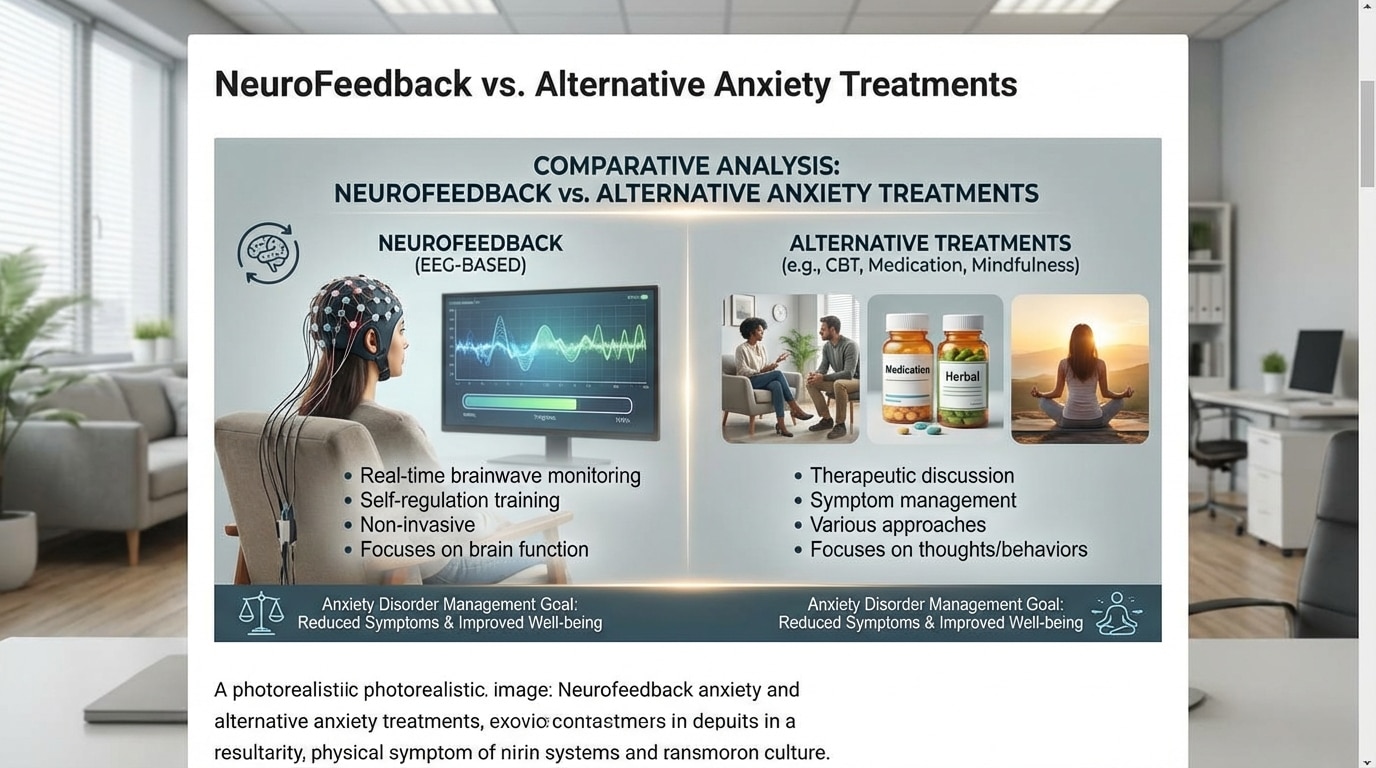
Positioning neurofeedback within the broader landscape of anxiety disorder treatments requires understanding its comparative advantages, limitations, and appropriate role relative to alternative interventions. Each treatment modality offers distinct benefits and challenges, with optimal outcomes often achieved through strategic integration of complementary approaches rather than reliance on single modalities.
How Does Neurofeedback Compare to Pharmaceutical Anxiety Treatment?
Pharmaceutical interventions for anxiety disorders, including selective serotonin reuptake inhibitors (SSRIs), benzodiazepines, and other anxiolytic medications, represent the most common medical treatment approach. These medications can provide rapid symptom relief and prove highly effective for many individuals. However, pharmaceutical approaches carry several limitations including side effects (sexual dysfunction, weight gain, sedation), discontinuation syndromes, potential for dependence with certain medication classes, and relapse risk following medication cessation.
Neurofeedback offers several comparative advantages: absence of chemical side effects, development of self-regulation skills that persist beyond treatment completion, no dependency risk, and suitability for individuals with medical contraindications to medications. However, neurofeedback requires greater time investment, multiple sessions over weeks or months, and typically involves higher upfront costs compared to generic medications. The delayed onset of benefits relative to fast-acting medications may prove challenging for individuals requiring immediate symptom relief.
Research directly comparing neurofeedback to pharmacotherapy remains limited, though existing studies suggest comparable efficacy for anxiety symptom reduction. Importantly, neurofeedback and medication need not represent mutually exclusive choices—many patients successfully combine both approaches, potentially achieving superior outcomes than either intervention alone while potentially reducing required medication dosages.
| Treatment Aspect | Neurofeedback | Pharmaceutical Treatment | Cognitive Behavioral Therapy |
|---|---|---|---|
| Onset of Benefits | Gradual (weeks to months) | Rapid (days to weeks) | Moderate (weeks to months) |
| Side Effects | Minimal, temporary | Variable, potentially significant | Minimal |
| Skill Development | Self-regulation capacities | None (symptom suppression) | Cognitive and behavioral skills |
| Treatment Duration | 30-50+ sessions | Ongoing (months to years) | 12-20 sessions |
| Relapse Prevention | High (lasting neural changes) | Low (symptoms return if discontinued) | Moderate to high |
| Cost Considerations | Higher upfront, no ongoing costs | Lower upfront, ongoing costs | Moderate, time-limited |
What Advantages Does Neurofeedback Offer Over Biofeedback?
Biofeedback, a closely related intervention, provides feedback about various physiological processes including heart rate, muscle tension, respiration, and skin conductance. While biofeedback proves effective for anxiety management, particularly for somatic symptoms, it operates primarily at the level of peripheral physiology rather than directly addressing central nervous system patterns. Neurofeedback’s focus on brain activity allows for more direct modification of the neural substrates underlying anxiety disorders.
The comparative advantages of neurofeedback include its capacity to address cognitive and emotional aspects of anxiety beyond physiological symptoms, its potential for creating lasting neural reorganization through neuroplasticity, and its targeting of specific brain regions and networks implicated in anxiety disorders. However, traditional biofeedback may offer advantages for individuals whose anxiety manifests primarily through somatic symptoms such as muscle tension, gastrointestinal distress, or cardiovascular symptoms. Many contemporary treatment programs integrate both neurofeedback and biofeedback, leveraging the complementary benefits of each approach.
Evidence Base and Clinical Research Supporting Neurofeedback

The scientific foundation for neurofeedback in anxiety treatment has expanded considerably over recent decades, with growing numbers of controlled studies, meta-analyses, and neuroimaging investigations examining its mechanisms and efficacy. While debate continues regarding optimal research methodologies and the magnitude of treatment effects, the overall evidence trajectory supports neurofeedback as a legitimate, evidence-based intervention for anxiety disorders.
What Does Research Show About Neurofeedback Efficacy?
Multiple randomized controlled trials have examined neurofeedback for various anxiety presentations, with the majority demonstrating significant anxiety reduction compared to control conditions. Meta-analytic reviews synthesizing across studies indicate medium to large effect sizes for anxiety symptoms, comparable to established psychological treatments. Research examining long-term outcomes suggests that improvements achieved through neurofeedback tend to maintain over time, with follow-up studies documenting sustained benefits months to years following treatment completion.
Neuroimaging research has provided compelling validation of neurofeedback’s neurological effects, demonstrating measurable changes in brain structure and function following training. Studies utilizing functional magnetic resonance imaging (fMRI) have documented normalized amygdala reactivity, enhanced prefrontal cortex activation, and improved connectivity between regulatory and emotional brain regions following neurofeedback training. These neurological changes correlate with clinical improvement, providing mechanistic support for the intervention’s therapeutic effects.
What Are Current Limitations in Neurofeedback Research?
Despite growing evidence supporting neurofeedback, research limitations warrant acknowledgment. Methodological challenges include difficulty implementing true placebo controls (patients receiving sham feedback often recognize the inauthenticity), variability in protocols across studies complicating comparison, small sample sizes in some investigations, and limited research examining which patients benefit most from specific protocols. The field would benefit from larger-scale investigations, standardized treatment protocols, and research identifying predictors of treatment response.
Additionally, while short-term efficacy has been established, more extensive research examining long-term outcomes would strengthen the evidence base. Questions remain regarding optimal treatment duration, ideal session frequency, and the necessity of maintenance sessions for sustaining improvements. Ongoing research efforts addressing these limitations continue to refine understanding of neurofeedback’s role in anxiety treatment and optimize its implementation.
Practical Considerations: Accessing Neurofeedback and Treatment Costs

Neurofeedback treatment costs & access explained. EEG therapy for anxiety disorder.
Practical factors including treatment availability, cost, and insurance coverage significantly influence accessibility of neurofeedback for individuals seeking anxiety treatment. Understanding these practical considerations facilitates informed decision-making and realistic planning for those interested in pursuing this therapeutic approach.
How Can Individuals Find Qualified Neurofeedback Practitioners?
Locating qualified neurofeedback practitioners requires consideration of training, certification, and experience.
When evaluating potential providers, individuals should inquire about specific training in neurofeedback, experience treating anxiety disorders, approaches to assessment including brain mapping is utilized, and training protocols employed. Reputable practitioners conduct thorough initial assessments, develop individualized treatment plans, monitor progress systematically, and maintain realistic expectations regarding training outcomes. Professional credentials, client testimonials, and willingness to answer questions transparently all contribute to identifying qualified providers.
What Are the Financial Considerations for Neurofeedback Treatment?
Neurofeedback costs vary considerably based on geographic location, practitioner credentials, assessment complexity, and session structure. Initial assessments typically range from $350-$500, while individual training sessions commonly cost $100-250 per session. Complete treatment courses involving 35-40 sessions may total $3,000-$8,000 or more, representing a significant financial investment.
Insurance coverage for neurofeedback remains limited and variable, with some policies covering treatment for specific diagnoses while others exclude neurofeedback entirely. Individuals should verify coverage with insurance providers before commencing treatment, obtaining pre-authorization when possible. Some practitioners offer package pricing or sliding scale fees to enhance accessibility. While the upfront costs exceed those of many conventional treatments, the absence of ongoing expenses following treatment completion and potential medication cost savings may offset initial investment over time.
Future Directions in Neurofeedback Research and Technology
The field of neurofeedback continues evolving rapidly, with technological advances and emerging research opening new possibilities for enhanced training efficacy and accessibility. Several innovative directions promise to expand neurofeedback’s capabilities and broaden its application for anxiety disorder treatment.
How Is Technology Advancing Neurofeedback Accessibility?
Technological innovations are progressively reducing barriers to neurofeedback access. Home-based neurofeedback systems, utilizing simplified EEG devices and remote monitoring by practitioners, are emerging as viable alternatives to clinic-based treatment for appropriate patients. See our home-based Neurofeedback page for more details. These systems reduce costs, eliminate travel requirements, and facilitate more frequent training sessions. At InnerOptimal we have a quality control and appropriate supervision. Careful implementation of home-based neurofeedback significantly expand access for individuals in underserved areas or with mobility limitations, as well as traveling people.
Artificial intelligence and machine learning applications are beginning to influence neurofeedback practice, offering possibilities for automated protocol selection, real-time optimization of training parameters, and prediction of training response. These technological enhancements may improve treatment precision and outcomes while potentially reducing reliance on practitioner expertise for certain aspects of treatment delivery.
What Emerging Research Is Shaping Neurofeedback’s Future?
Contemporary neuroscience research continues elucidating the neural mechanisms underlying anxiety disorders and neurofeedback’s therapeutic effects, informing more sophisticated and targeted treatment approaches. Network-based neurofeedback, targeting connectivity patterns between brain regions rather than activity in isolated areas, represents a promising direction based on contemporary understanding of brain organization. Research examining biomarkers that predict treatment response may eventually enable personalized treatment matching, identifying which patients will benefit most from specific neurofeedback protocols.
Integration of neurofeedback with other emerging interventions including transcranial magnetic stimulation, virtual reality exposure therapy, and precision medicine approaches creates exciting possibilities for synergistic treatment combinations. As research continues revealing the complex neurobiology of anxiety disorders, neurofeedback protocols will likely become increasingly sophisticated and individually tailored, potentially enhancing efficacy and efficiency.
Frequently Asked Questions
How long does it take to see results from neurofeedback for anxiety?
Most individuals begin noticing subtle changes in anxiety symptoms within 15-20 neurofeedback sessions, though significant improvements typically emerge after 30 sessions. The timeline varies based on anxiety severity, chronicity, individual neurological responsiveness, and treatment consistency. Some patients report immediate relaxation following sessions, while lasting symptom reduction develops gradually as neuroplastic changes consolidate. Practitioners monitor progress throughout treatment and adjust protocols as needed to optimize outcomes. Patience and consistent engagement with the treatment process are essential for achieving optimal results.
Can neurofeedback be combined with anxiety medication?
Yes, neurofeedback can be safely combined with anxiety medications, and many patients successfully utilize both approaches simultaneously. The non-invasive nature of neurofeedback creates no contraindications with pharmaceutical treatments. Some patients begin neurofeedback while taking medications, then work with prescribing physicians to gradually reduce medication dosages as neurofeedback training progresses and anxiety symptoms improve. This combined approach may offer advantages, with medication providing initial symptom stabilization while neurofeedback develops lasting self-regulation capacities. Any medication adjustments should be made only under physician supervision.
Is neurofeedback effective for anxiety in children and adolescents?
Neurofeedback demonstrates excellent efficacy for anxiety in younger populations, with children and adolescents often responding particularly well to treatment. The non-pharmacological nature makes neurofeedback attractive for parents concerned about medication side effects during critical developmental periods. Young patients typically find the interactive, game-like training formats engaging, enhancing treatment adherence. Research indicates that developing brains may demonstrate enhanced neuroplasticity, potentially facilitating more rapid learning of self-regulation skills. Neurofeedback proves effective for various pediatric anxiety presentations including separation anxiety, generalized anxiety disorder, social anxiety, and anxiety associated with ADHD or autism spectrum conditions.
What should I expect during my first neurofeedback appointment?
Initial neurofeedback appointments typically involve comprehensive assessment including detailed anxiety symptom history, review of previous treatments, discussion of current symptoms and treatment goals, and often brain mapping to identify specific patterns of dysregulation. The practitioner explains neurofeedback principles, discusses appropriate training protocols, and sets realistic expectations regarding treatment duration and expected outcomes. Some practitioners conduct a brief training session during the first visit to familiarize patients with the process, while others reserve actual training for subsequent appointments following EEG analysis. The initial appointment usually lasts 60-90 minutes and establishes the foundation for individualized treatment planning.
Are the benefits of neurofeedback permanent?
Research indicates that neurofeedback produces lasting changes in brain function through neuroplasticity, with improvements often maintained long after treatment completion. Follow-up studies document sustained anxiety reduction months to years following neurofeedback, suggesting that the neural reorganization achieved through training creates enduring changes rather than temporary symptom suppression. However, like any learned skill, self-regulation capacities may benefit from occasional reinforcement, and some individuals choose periodic maintenance sessions. The durability of benefits also depends on continued practice of self-regulation skills in daily life and management of environmental stressors. Most patients maintain significant improvements without ongoing treatment, distinguishing neurofeedback from interventions requiring continuous administration.